 Dynasty Tales
Chinese history stories for curious kids.
Explore Chinese history, myths and legends together. Choose a shorter telling or the full story, with source notes to help answer the questions that follow.
Start with a free story, without an account. Member stories are marked separately.
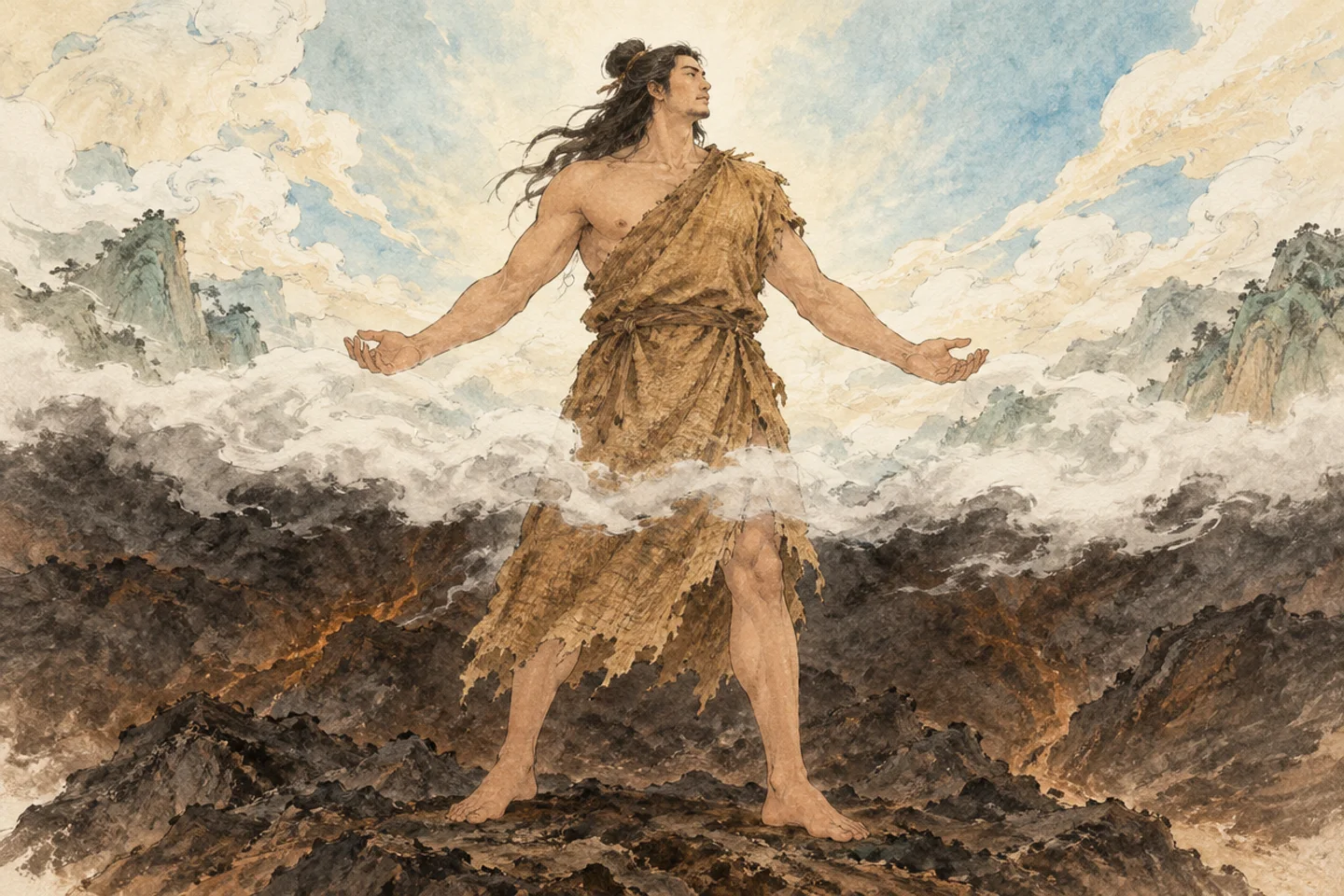
Pangu Separates Heaven and Earth
One story is enough to get started
You might be looking for a connection to family culture, a new subject to explore, or something you can read together this evening. You do not need to explain a whole dynasty before opening the first page. Begin with a story that makes your child curious, follow what happens, and leave room for a question.
Dynasty Tales is a place for families to read stories from Chinese history, myth, and legend together. The story pages offer two tellings, illustrations, and notes about their sources. You can decide how much to read today, then return to the same story when your child wants more detail.
Choose a telling that fits today
The shorter telling keeps the story's main sequence. The full telling gives the scenes and background more room. Read whichever suits your family's attention and time; you can change versions on the story page. Neither choice turns a shared story into a reading test.
Have something to talk about afterward
A surprising choice, an unfamiliar word, or a picture can start the conversation. Ask what your child noticed before explaining what you noticed. You might hear a question about how a giant could become a mountain, or how the world changes during the story. Follow that question as far as your family wants to go.
Find the notes behind the telling
When a child asks whether something really happened, it helps to have a place to look. The story's source notes and explanation of its historical or legendary background give you a starting point. They also show where a vivid retelling draws on an older account.
See the difference with Pangu
In this creation myth, heaven and earth begin together, Pangu grows as they separate, and the world takes shape through his transformation. The illustrations give children a way to picture an unfamiliar setting while the story follows its changes.
The shorter telling takes you through those main events with less description. It is a useful first choice when your child wants to find out what happens. You can read through the sequence and come back to a favorite image afterward.
The full telling spends longer with the opening world, Pangu's growth, and the changes that follow. Choose it when your child wants to linger over the scenes. Both versions tell the same selected story; the difference is how much space the telling gives it.
The background note identifies Pangu as myth. It explains which older accounts inform the separation of heaven and earth and the transformation into the world. References lead to the source material, so an adult can look further without interrupting the first reading.
Try one question afterward: “Which part would you draw?” A child might choose a river, the moon, or the first moment heaven and earth separate. The answer gives you a place to begin another conversation about the story.
Your first read: Pangu Separates Heaven and Earth
A giant and a changing world make this a place to begin if your child enjoys imagining how things started. This is a Chinese creation myth, with a shorter telling, a full telling, illustrations, and source notes available in English.
The story includes Pangu's death and transformation. An adult can preview it before sharing and decide which parts to read, discuss, or leave for another day. Your child's comfort matters more than finishing a page.
The English library is starting with this story. Browse the available English stories when you return; each story's own language options show which other versions you can open. You can begin with English even if nobody in the family reads Chinese.
A way to read together
Pick one thing your child is curious about
Start with the title or illustration. Ask what your child thinks might happen, then choose the shorter or full telling. There is no need to set up a reading plan before the first story. A plan can come later if your family finds a rhythm it wants to keep.
Read at a comfortable pace
You can read aloud, take turns, or let a confident reader lead. Pause at an unfamiliar name if it matters to the scene. If attention drifts, stop somewhere you can remember together. The next visit can begin by recalling the picture or event you last discussed.
Leave room for one question
Ask what changed, what was surprising, or what your child would like to understand. A short answer is enough. If a question is about whether the account is historical, open the background and source notes together. It is also fine to keep the question for another day.
Explore Chinese culture through stories
A story gives your family one name, image, or event to explore together. As you read, you can distinguish the world imagined in a myth from an account connected to historical records.
Your family might already know another version of the same tale. Ask how it was told at home, which details stayed in someone's memory, and what is different here. The source notes describe the basis of this telling, while your conversation can make room for other remembered versions.
For family reading, the parent guide explains how to choose a version, use available translations, and return to a story. For classroom use, the teacher page is the place to explore how a story could fit a lesson. Check the materials actually available before planning an activity around them.
Before your first story
Are the stories free?
Free stories offer shorter and full versions without an account. Member stories are marked separately; purchasing membership is not open yet.
What is the difference between the two tellings?
The shorter telling keeps the main sequence of events; the full telling expands scenes and context. You can switch on the story page. These are reading choices for your family, rather than certified age or reading-level bands. Preview a story if you are unsure which version will suit your child.
Is everything here true history?
The collection includes historical accounts, myths, legends, and literary stories. Read the explanation on each story page to understand its basis and any uncertainty. Pangu, for example, is presented as a creation myth. Its account of the world's beginning is part of the tale's imagination.
Can we read in English, Chinese, and pinyin?
Use the language options available on the individual story. The interface supports ten languages, but that does not mean every story has ten complete translations. Pinyin can be shown for marked words in the Chinese reader. English text and Chinese text open as their own available versions.
Do we need an account or a reading plan?
You can start an ordinary text story without either. The bookshelf helps you save stories in your current browser; do not rely on it to carry your reading records to another device. Read the family guide for a way to return to a story.
How is AI used?
AI assists with developing text, translations, and illustrations. Story pages provide source notes and information about the telling. Consult the content and sources explanation for the process and look for any review credits on the story itself. A named human-review credit applies to the version it identifies.
Keep a place for the next story
Save a story to your bookshelf if you would like to return in the same browser. For email updates, you can choose the adult newsletter below. It sends new stories and recordings in your selected language at most once a week; when there are no updates, there is no email. Confirm your subscription by email, and unsubscribe whenever you wish.
For now, choose your first telling and see which part catches your child's attention.
Story audio is coming. Let me know when it launches.
Help us choose what to make next. These features are not open yet. Joining is free; no account or payment is required.
Notify me when it launches →