 Dynasty Tales
Read Chinese stories together, at your family's pace.
Choose one story, read a telling that fits today, and leave room for a question. You can begin in English, use an available Chinese version when it helps, and return for more detail when your child is ready.
Free stories are available without an account or a reading plan. Member stories are marked separately.
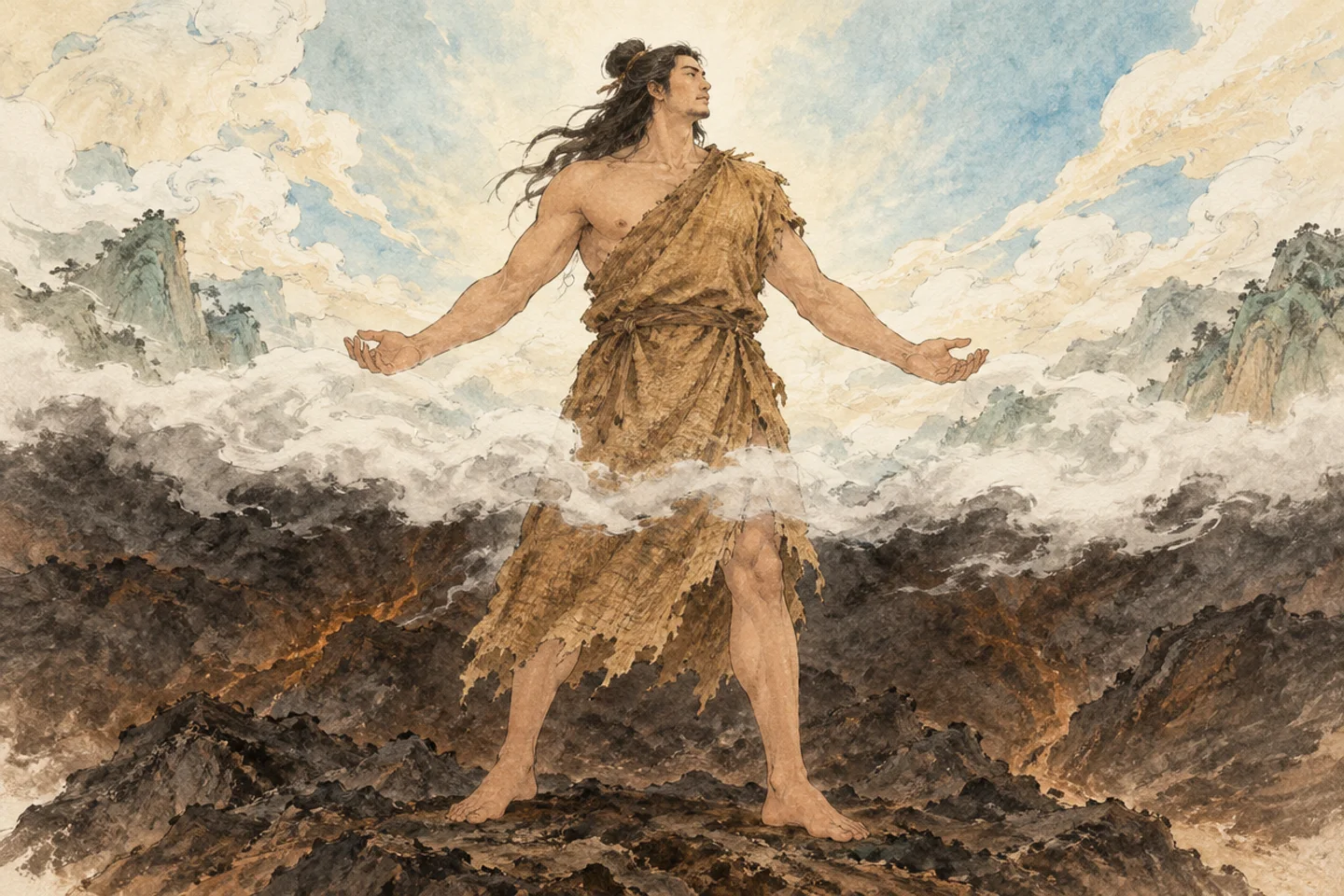
Pangu Separates Heaven and Earth
Start with a story you can share
Choose one story to explore together, beginning with a language your family understands. If your child follows English comfortably, open an available English story first. You can enjoy the events together before choosing a name or a short passage to explore in Chinese.
If Chinese is the language you use at home, begin there. An English version may help another adult join in, or give your child another way to explain what happened. Use each story's own language options: the site has ten interface languages, while complete story translations vary.
You do not have to translate every line or finish both languages in one sitting. Choose what helps your child follow the story. If you want to find a text straight away, the story library is the place to browse what is available.
Choose your first story by curiosity and comfort
A child who likes imagining unusual worlds might enjoy Pangu. Another child may want a familiar name or an event they have heard mentioned at home. Let the title, opening, and illustrations help you choose; being first in a timeline is not a requirement for a useful first read.
Preview the story yourself if your child is sensitive to danger, loss, conflict, or death. Pangu includes the giant's death and transformation into the world. You can decide how to introduce that part, stop before it, or choose to return when the subject feels right.
Before reading, try one question about the picture: “What do you think is happening here?” Treat the answer as a starting idea. There is no need to correct it before the child has had a chance to discover the story.
A shorter telling today, more detail another day
Each published story offers a shorter and a full telling. The shorter version keeps the main sequence, so you can follow events without spending as long in each scene. The full version gives description and background more room. Switch between them on the same story page.
For Pangu, both tellings follow the opening world, the separation of heaven and earth, the giant's growth, and the transformation that follows. The shorter telling gets you through that sequence with less description. The full telling lingers over the changing world and the images of mountains, rivers, wind, and sky.
You might read the shorter version first and revisit one scene in the full version later. Or choose the full telling from the start because your child wants to stay with its pictures. The versions are options, rather than certified reading levels or a ladder a child must climb.
Use translations and pinyin where they help
When an available Chinese version is useful, open it through the story's language choices. Keep the switch tied to something your child already understands: the name of a character, a repeated image, or an event they have just described in English. One connection can be enough for that visit.
The Chinese reader offers a pinyin display for marked words. Use the “生字拼音” control to show or hide it. It can help with an unfamiliar pronunciation, but you can also leave it off and read aloud yourself. The page does not require your child to sound out every marked word.
If nobody present is sure how to pronounce a name, keep reading in the language you share and come back to it. A family story can still be worthwhile while a language question remains open. Use the actual language and reading tools available for that story, rather than expecting every version to have identical features.
Talk about one thing your child noticed
Start with what stayed in your child's mind. They may point to an illustration, describe something surprising, or ask about a choice. You can ask them to show the part that gave them that idea. This keeps the conversation connected to the story you have both read.
For Pangu, try “Which change would you put in a picture?” or “What is different between the beginning and the end?” You can give your own answer too. These are suggested prompts for a conversation; your child does not need to produce a particular answer or complete a worksheet.
If a question gets a shrug, offer a smaller choice: “Would you draw the sky or the river?” If the child would rather keep reading, let the discussion wait. A shared favorite scene is a good place to stop, even when nobody wants to explain it yet.
When your child asks, “Did that really happen?”
Look at the story's explanation of its background before trying to settle the question. The collection includes historical accounts, myths, legends, and literary stories. Their relationship to evidence differs, and the notes are there to help you talk about that difference.
For Pangu, you can say, “This is a myth about how the world began.” The page describes the older accounts used for its telling and links to references. Read those as the basis for understanding the story, while keeping its imagined events distinct from a scientific explanation.
You can also say, “I don't know; let's look at the note.” Reading the source explanation together shows your child where your answer comes from. You do not need to turn the first story into a lesson about every ancient text it mentions.
Make the next visit easy
When you want to return, use “Add to shelf” on the story page. The bookshelf and reading records are saved locally in your current browser. They may not be available on another device, in a different browser, or after browser data is cleared. Bookmark the story's link as well if you want another way to find it.
Use “Mark as read” when you choose to record a story as finished. That action records your choice; it is not a score for how much your child understood. You can open the story again, choose another version, or revisit the illustration that started a conversation.
At the next visit, begin with something familiar: ask what happened just before the stopping point, or let your child find the last picture they remember. Once your family has found a comfortable rhythm, you can explore the reading-plan option. There is no need to configure it before your first read.
Questions from parents
My child's Chinese is limited. Where should we start?
Start with an available English telling and follow the events together. If a Chinese version is also available, choose one name or passage that interests your child. You can build a connection between the languages without asking them to translate the whole story.
Does pinyin appear for the whole Chinese text?
The reading control is for pinyin on marked Chinese words. Check the story page to see what is displayed and use the control to turn it on or off. This is a reading aid, rather than a promise of full-text pronunciation teaching.
How long should one reading take?
Let attention and comfort guide you. You can finish a shorter telling, read part of a full telling, or stay with one scene. Any displayed reading time is an estimate. Stop when your family has had enough, and keep a link or shelf entry for another day.
Will our progress appear on another device?
Use the bookshelf as a record in the browser you are reading in. Do not depend on cross-device synchronization. Switching browsers, clearing local data, or using another device may mean those saved records are unavailable. A bookmarked story link can help you find the text again.
Do we need to register, pay, or use audio?
Free stories do not require registration. Member stories are marked separately. You can read aloud yourselves. Use audio only where a playable recording is actually offered; voice services have separate availability and pricing. Starting a text story does not require buying a service.
Where can I check sources and the editorial process?
Read the source and background notes on the individual story, and the site's content explanation. AI assists with text, translations, and illustrations. Any named human-review credit should be read as applying to the particular version it identifies.
A reminder when something new is ready
If an email would help you return, an adult can subscribe below. Choose your language and confirm the subscription by email. Updates include newly published stories and recordings in that language, at most once a week. No new updates means no email, and every digest includes an unsubscribe option.
Your next step can be one free story. Choose the telling you want to share today.